
 Mikhail Nilov / Pexels
How much to hold
A practical way to think about emergency savings targets in a Canadian household.
Read the story →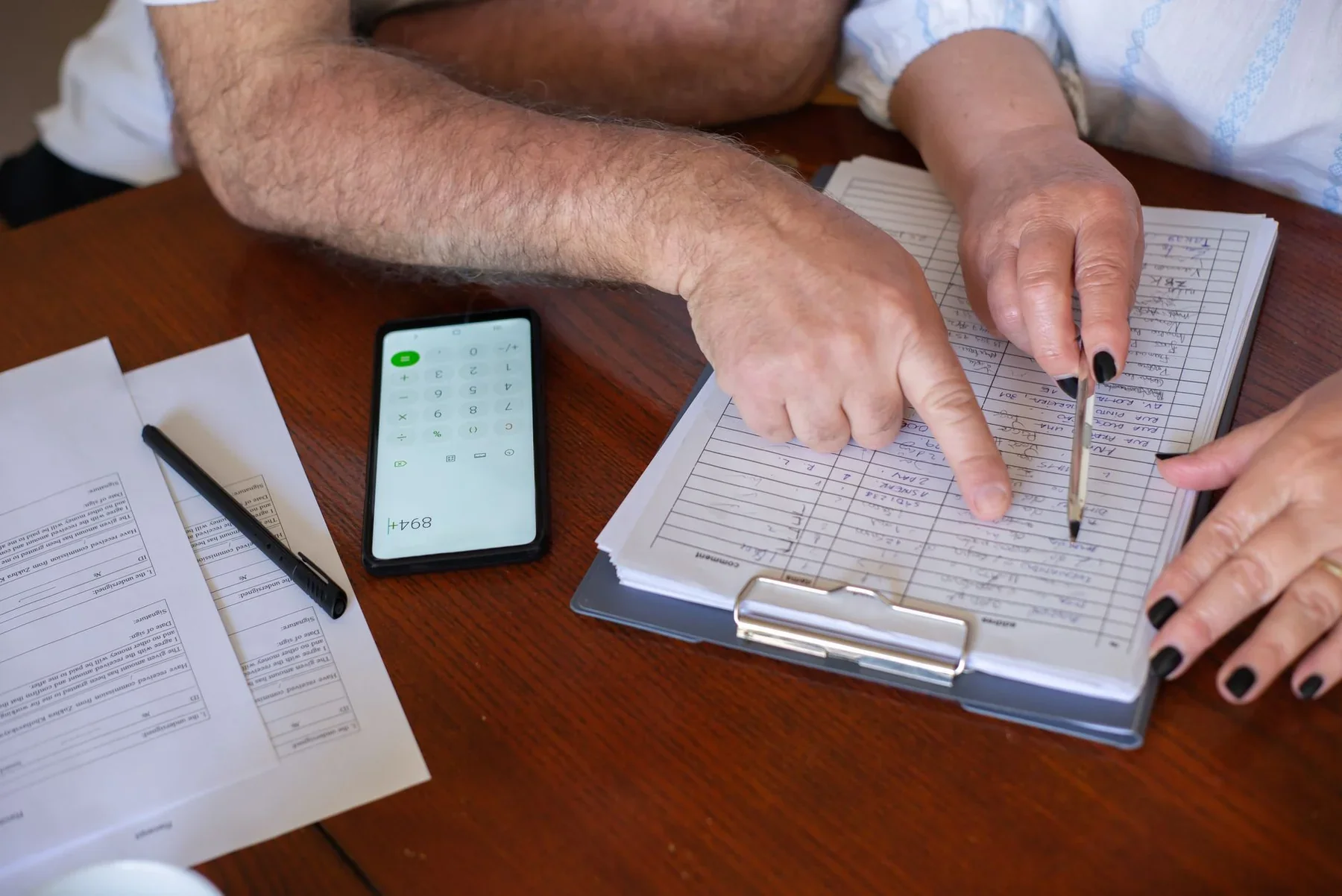 Kampus Production / Pexels
Household money
Five guided reads on emergency savings, irregular expenses, variable income, savings priorities and borrowing costs.
Browse the articles ↗Start here
From the journal
A concise route through the full sequence, from resilience to borrowing awareness.
Mikhail Nilov / PexelsA practical way to think about emergency savings targets in a Canadian household.
Read the story → https://kaboompics.com/ / Pexels
Set aside for school supplies, winter gear and annual fees without upsetting the month.
Read the story → photoGraph / Pexels
Trace income timing against fixed bills and flexible spending when pay changes.
Read the story → RDNE Stock project / Pexels
Compare short-term savings goals with debt reduction using simple household scenarios.
Read the story →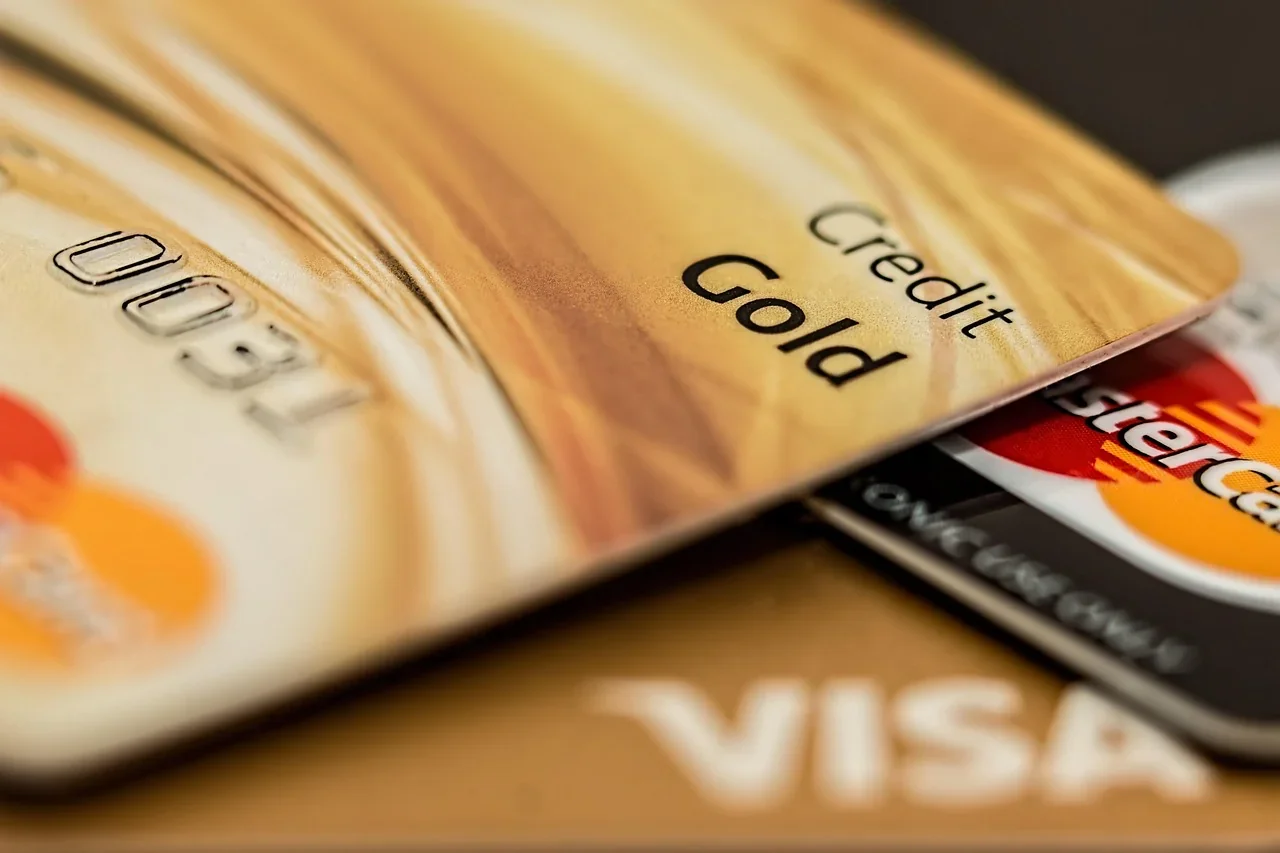
See how interest, fees and minimum payments change the cost of borrowing.
Read the story →photoGraph / PexelsFocus read
Variable pay works best on paper before it reaches the bank account.
This read keeps the emphasis on timing, fixed bills and flexible spending.
Use it as the middle step between saving buffers and larger trade-offs.
Open the sequence ↗Reading path
Saved note
If you want a simple place to begin, start with the part of your household budget that feels least predictable. This reading gateway points you to practical explanations of emergency funds, irregular costs, cash flow, savings goals and borrowing costs, using Canadian source-based guidance and clearly hypothetical examples.
Begin with emergency savings if an unexpected bill would force you to borrow. Canadian guidance describes an emergency fund as money set aside for unexpected expenses, ideally equal to 3 to 6 months of regular expenses or income. If your budget is already tight, starting with a small regular amount is still a useful first step. If the issue is not a true emergency but a predictable bill that arrives unevenly, look at irregular-cost planning instead.
If your income changes from paycheque to paycheque, cash flow is usually the best place to study first. Mapping when money comes in, when bills leave, and where timing gaps appear can show whether the month works on paper before spending does. That makes it easier to spot shortfalls before they turn into borrowing.
Read “How much emergency savings should a Canadian household aim for?” if you want a clear way to think about how much cushion a household may study, and what changes that target. Read “How to plan for irregular expenses in a monthly Canadian budget” if regular but uneven expenses, such as school supplies, winter tires or annual fees, are the main problem. Read “Estimating Cash Flow When Your Income Changes Month to Month” if pay timing is the part that keeps throwing off the month.
If you are deciding between saving and debt, open “How to choose between a short-term savings goal and paying debt first”. If you want to understand the full cost of borrowing, including interest, minimum payments, fees and compounding, start with “What borrowing really costs on credit cards and loans”. Each article stands on its own, so you can begin with the question that feels most urgent.
Get in touch
Use the contact page for editorial enquiries or corrections related to this page.